AI slop: 8 signs a website was generated by AI.
 Mathieu ThiryDesignAI
You can spot an AI-generated website in seconds. Not because it is ugly. Because it is exactly like the others. That is slop. A page that is clean, competent, technically fine, and interchangeable with thousands of others. To make it concrete, we audited a real site: dnaexplore.ai.
Good news: two open source projects take the problem from both ends. Taste Skill gives your coding agent design rules before it generates anything. Impeccable catalogs 46 slop patterns and detects them on an existing page.
Here are the eight signs, from the most frequent to the most discreet.
1. The em dash, everywhere.
What AI does: it scatters the em dash, the —. In headlines, in buttons, in testimonials. It is signature number one. On the audited page it shows up thirty one times.

Further down, the same character separates two amounts, where a plain hyphen would have done the job:

What you should do: a period, a comma, a colon, or a hyphen. Never the em dash.
2. The eyebrow, that little label above every heading.
What AI does: a tiny uppercase letter-spaced label sitting immediately above an oversized headline. Or the same shape rendered as a pill chip. It is called the eyebrow.
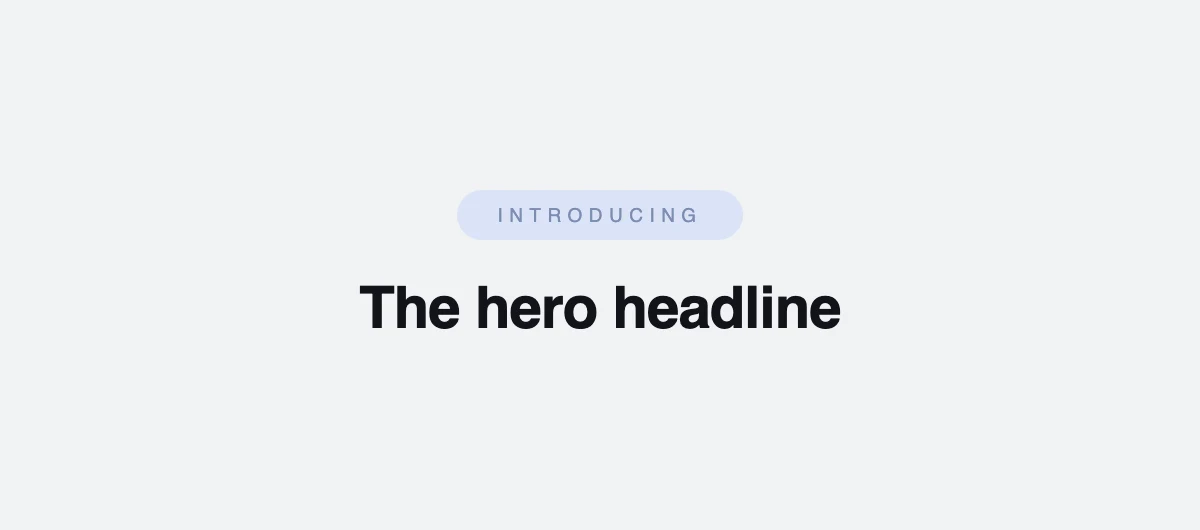
What you should do: drop the eyebrow. If the word really matters, fold it into the headline.
3. The gradient headline.
What AI does: a gradient on the main headline, often looping forever. Purple, blue, teal: the hue changes, the gesture does not.
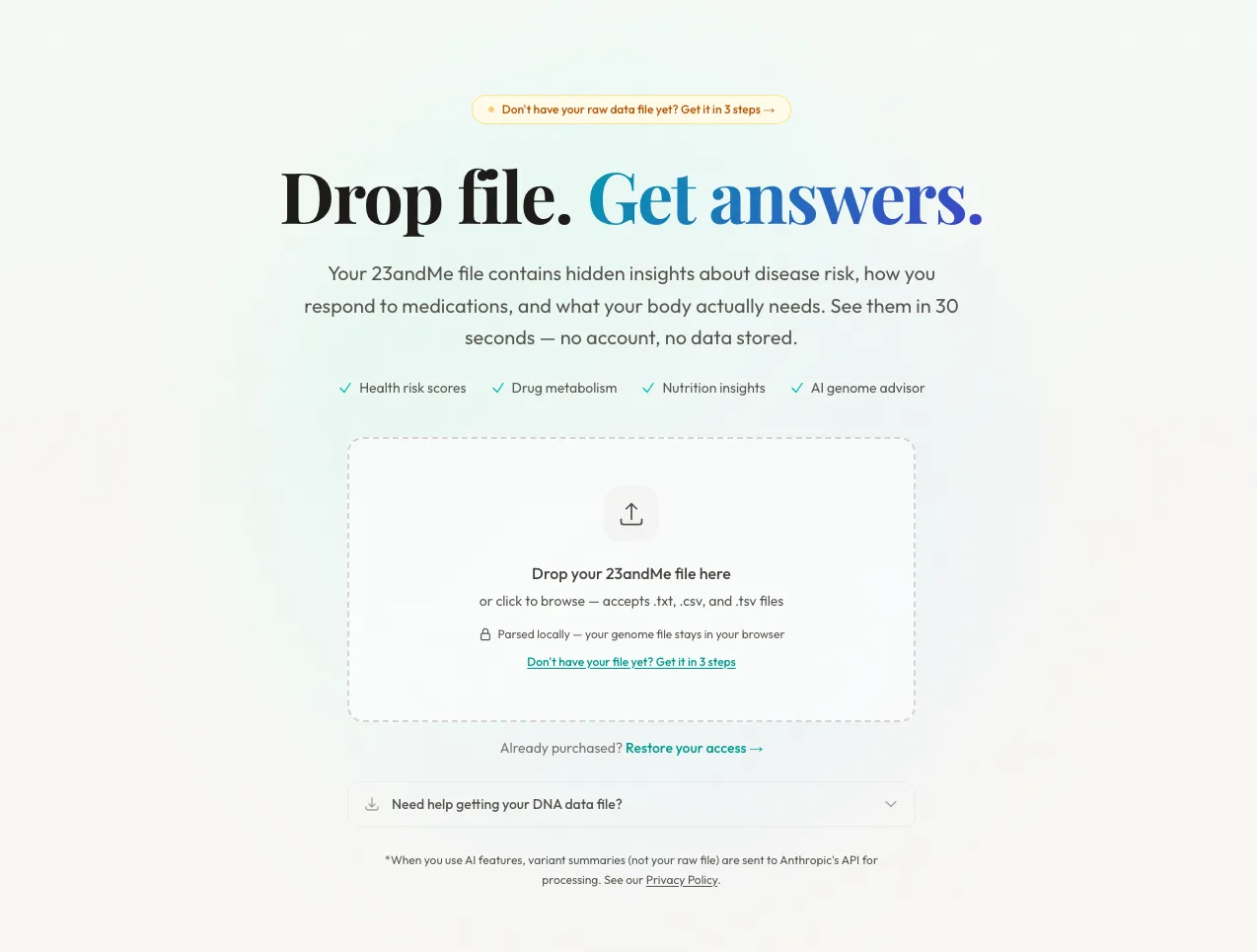
What you should do: pick one accent color and hold it across the whole page. Set the headline in a single flat tone. Save the contrast for what is meant to be clicked.
4. The oversized italic serif headline.
What AI does: an oversized italic serif as the primary hero headline. On its own it reads as taste. Repeated everywhere, it has become the universal AI startup landing page hero.
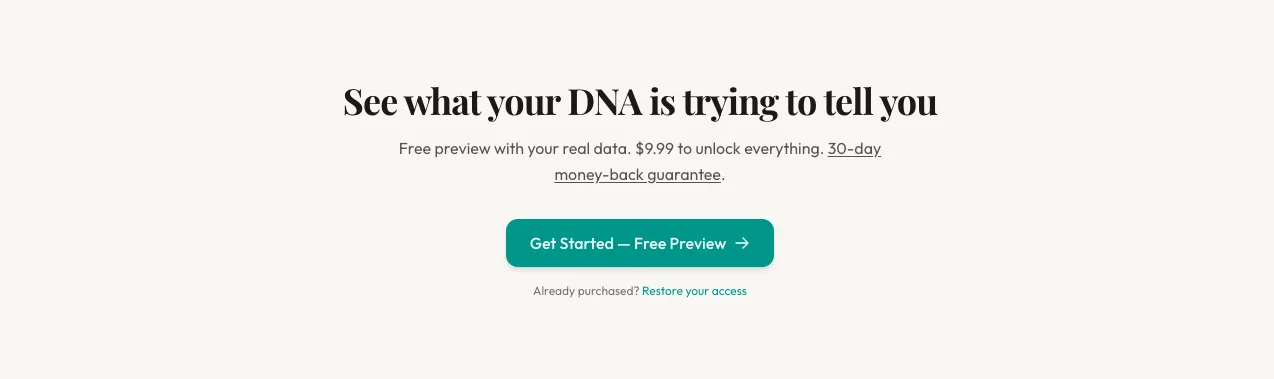
What you should do: use one or two typefaces, no more. Go with a sans serif.
5. No real images.
What AI does: it writes text where an image belongs.
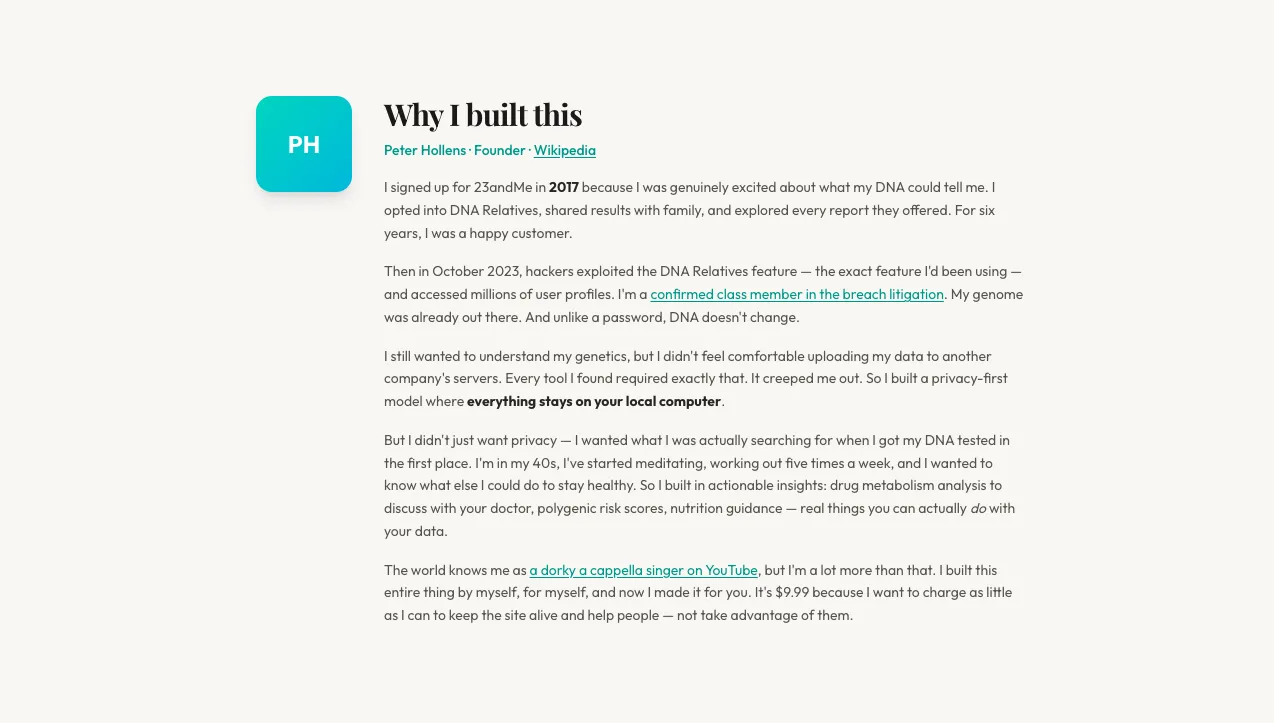
Sourcing an image takes a choice, a decision. That is exactly why it is missing.
What you should do: at least one real image on every page that matters. A product photo, a screenshot of the interface, a face. If you have nothing to show, the page is not finished.
6. Decorative numbering.
What AI does: it numbers everything. 01, 02, 03 above three steps already in reading order, in a section already titled “Three steps”.
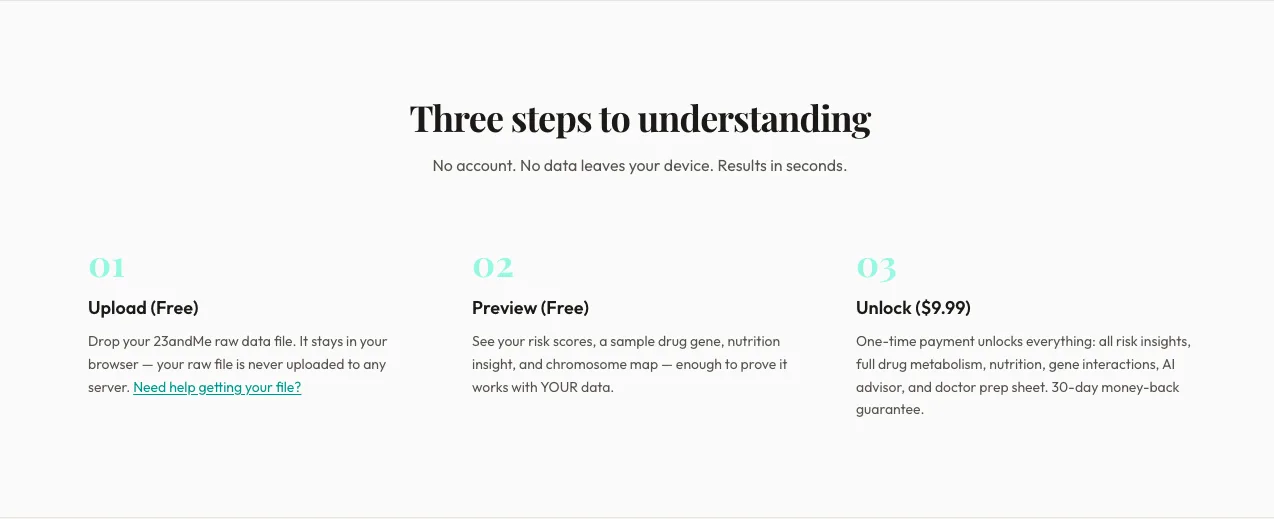
What you should do: let the content carry the order. The verb is enough: “Upload”, “Preview”, “Unlock”. A reader can count to three without help.
7. Identical cards.
What AI does: six identical cards. Same size, same white fill, same icon chip, same bold label, same grey paragraph.
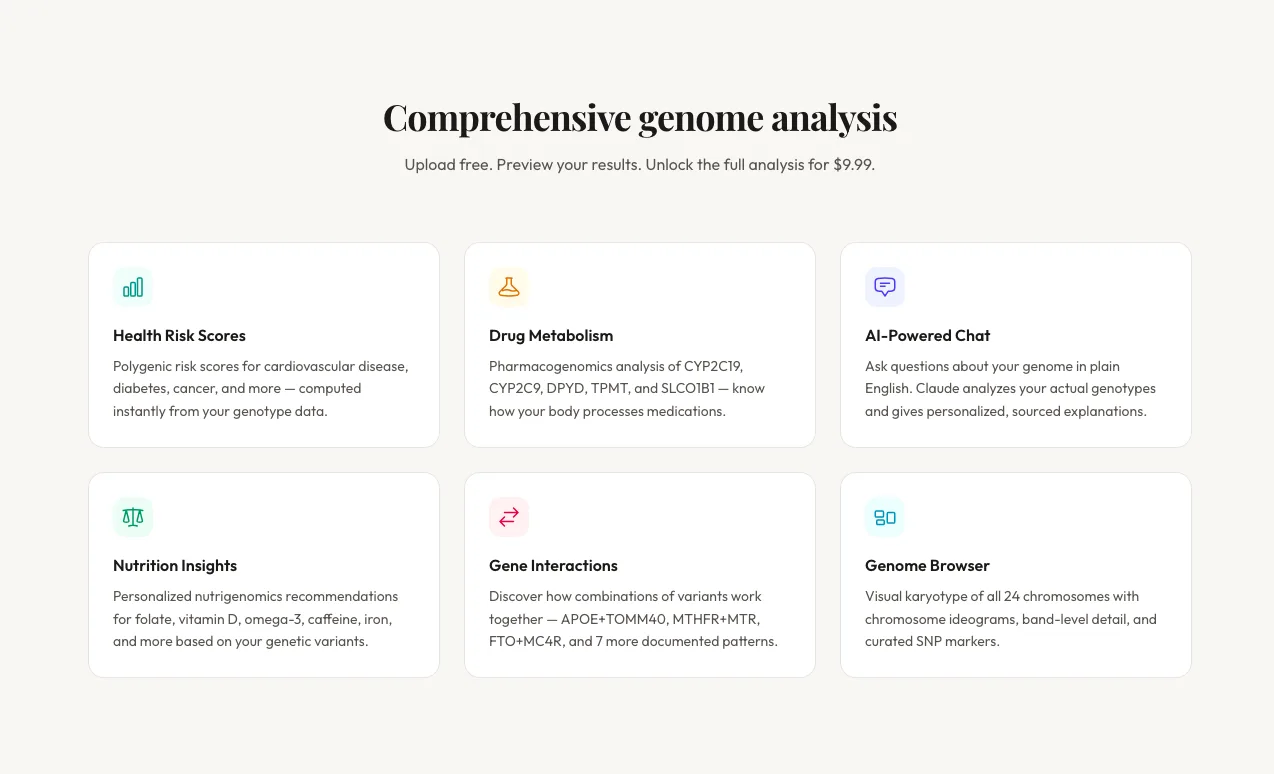
What you should do: change the layout from one section to the next.
8. Numbers and names that ring false.
What AI does: numbers with no source, and people with no face.

The bar exists because a landing page has a stats bar, not because those four facts were needed.
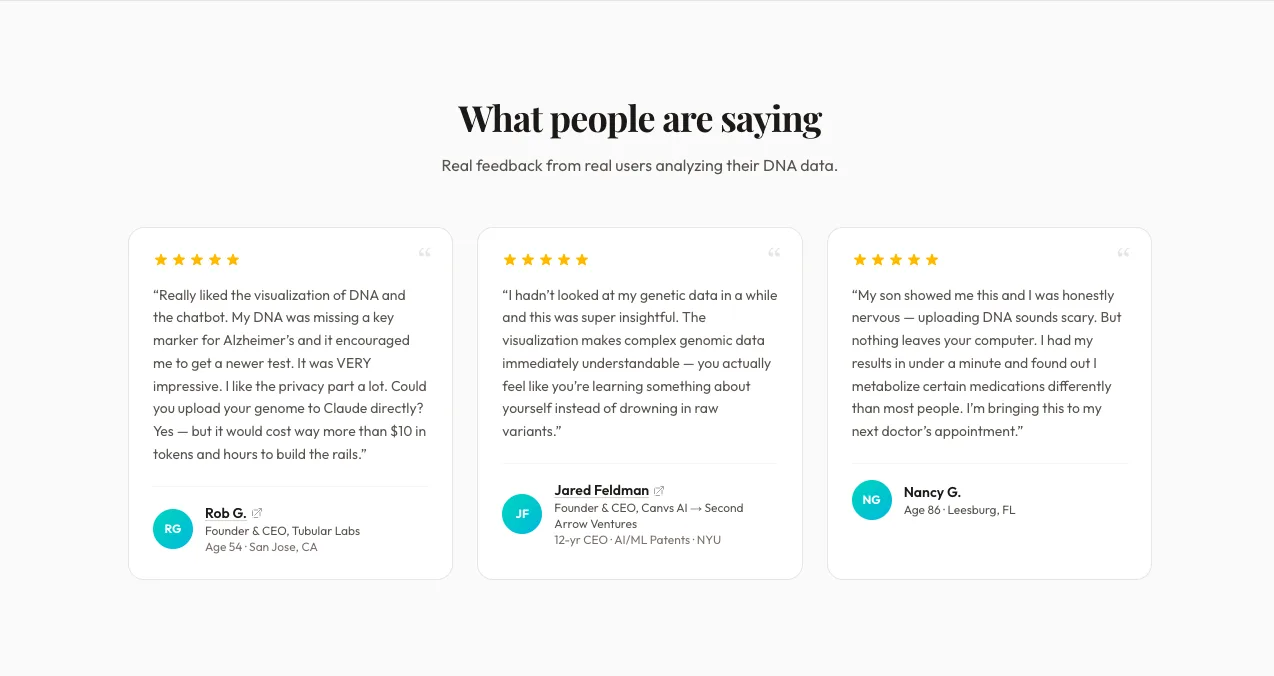
Same logic in the testimonials: first names followed by an initial.
What you should do: a testimonial with a real name, a real role, and a real face.
Two tools to stop shipping slop.
Your eye is enough to spot the eight signs. To stop producing them, you have to work on the machine, at both ends.
Upstream: Taste Skill. Open source skill files your agent loads before it writes a single line. They force it to read the brief, pick a direction, then pass a checklist before shipping. One command: npx skills add Leonxlnx/taste-skill.
Downstream: Impeccable. A catalog of 46 patterns that mark an interface as AI-generated, plus a detector that highlights them in place on the page. The command: npx impeccable detect.
What is left is the part no tool will do for you: deciding what your brand should look like. If you need help with that, we can work on it together. Book a call, thirty minutes to scope your project.
A custom site that converts.
Thirty minutes to scope your project. We reply within one business day.
Book a call